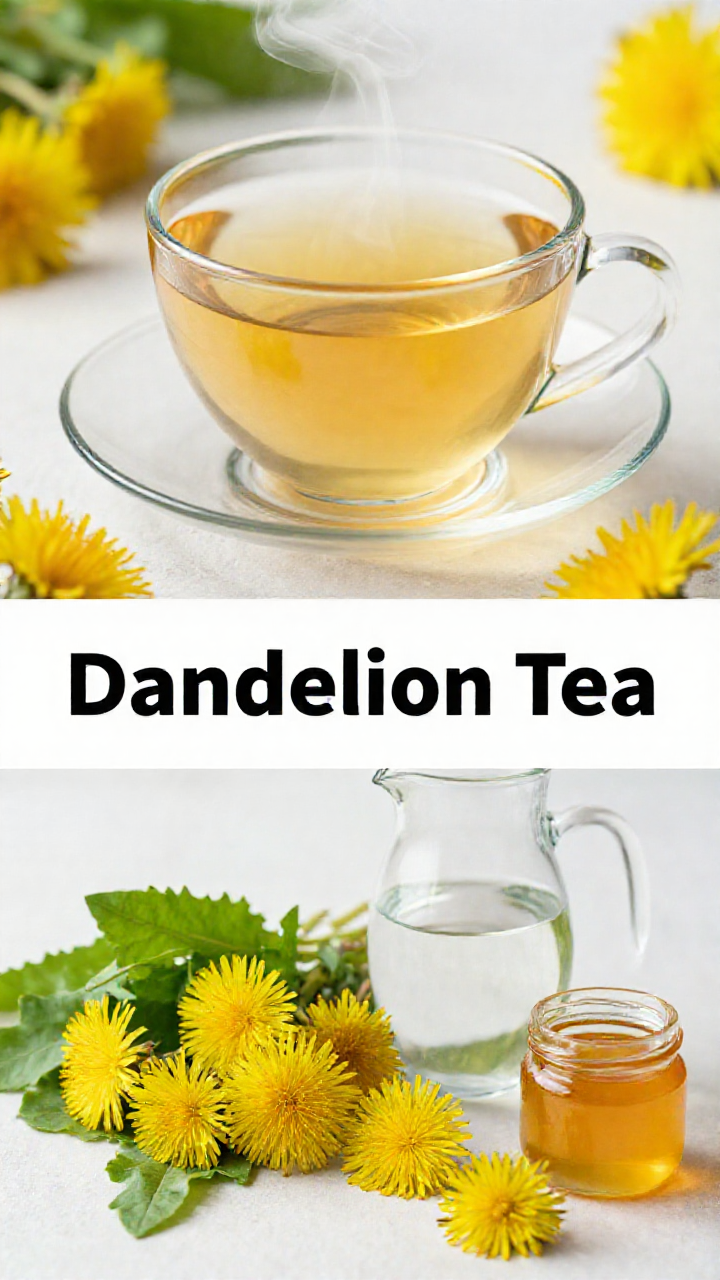

Hello, friends! It’s Alex here, and today I’m so excited to share one of my favorite traditions with you: making dandelion tea. This isn’t just a beverage; it’s a taste of nature, a sip of sunshine, and a gentle hug in a mug. For generations, my family has turned to the humble dandelion for its incredible health benefits and delicious, earthy flavor. I can’t wait to show you how easy it is to bring this delightful herbal tea into your own home. And, of course, we will cover dandelion tea benefits health.
Why You’ll Love This Dandelion Tea
There’s something truly magical about transforming a common garden weed into a nourishing and flavorful tea. Here’s why I think you’ll absolutely adore this recipe:
- Simple and Accessible: You can find dandelions practically everywhere! (Just make sure they’re from a pesticide-free area, of course).
- Earthy and Delicious: Dandelion tea has a unique, slightly bitter flavor that’s incredibly refreshing.
- Packed with Goodness: Dandelion is known for its many health benefits, which we’ll dive into later.
- Versatile: Enjoy it hot or cold, with honey, lemon, or all on its own. There are so many ways to customize it to your liking.
- Traditional herbal remedy: Dandelion tea is a traditional herbal remedy passed down for generations to support overall well-being.
Honestly, making dandelion tea feels like connecting with nature in the simplest, most beautiful way. And, it’s the best natural dandelion tea you can make.
Ingredients for Dandelion Tea
You really don’t need much to brew a wonderful cup of dandelion tea. Here’s what you’ll need:
- 2 cups fresh dandelion flowers and/or leaves, washed thoroughly
- 4 cups water
- Optional: Honey or lemon to taste
Remember, the fresher the dandelions, the better the flavor will be! Just make sure you are getting your dandelions from an area that you know is free of pesticides and herbicides. You want to be sure you are drinking something that is good for you!
How to Make Dandelion Tea: Step-by-Step Instructions
Making dandelion tea is such a simple process. It’s a great way to spend an afternoon, and the results are so rewarding. Here’s how you do it:
- Boil the Water: Bring the water to a boil in a saucepan.
- Add Dandelions: Add the dandelion flowers and/or leaves to the boiling water.
- Simmer: Reduce heat and simmer for 20-30 minutes. The longer you simmer, the stronger the flavor will be.
- Strain: Strain the tea to remove the flowers and leaves. A fine-mesh sieve or cheesecloth works well.
- Sweeten (Optional): Add honey or lemon to taste, if desired.
- Serve: Serve hot and enjoy!
That’s it! See? I told you it was easy. Now you know how to make dandelion tea! You can make dandelion tea is a variety of ways, but this is my absolute favorite.
Pro Tips for the Best Dandelion Tea
To really elevate your dandelion tea experience, here are a few of my favorite pro tips:
- Harvesting: The best time to harvest dandelions is in the morning after the dew has dried.
- Washing: Be sure to wash the dandelions thoroughly to remove any dirt or debris.
- Roasting the Roots: For a deeper, richer flavor, try roasting the dandelion roots before brewing. Simply wash, chop, and roast them in a 350°F (175°C) oven for about an hour, or until they’re fragrant and slightly browned.
- Using a Mix: Don’t be afraid to experiment with different combinations of flowers, leaves, and roots to find your perfect blend.
- Fresh vs. Dried: While fresh dandelions are ideal, you can also use dried dandelion leaves or roots. Just adjust the amount accordingly.
With these tips, you’re well on your way to becoming a dandelion tea master! Knowing these tips will really help the dandelion flower tea preparation.
Common Mistakes to Avoid
Even though it’s a simple recipe, there are a few common mistakes you can avoid:
- Using Dandelions from Treated Areas: Always make sure your dandelions are from a pesticide-free and herbicide-free area.
- Not Washing Thoroughly: Dandelions can be a bit dirty, so give them a good wash!
- Over-Steeping: Steeping the tea for too long can make it bitter. Start with 20 minutes and adjust to your taste.
- Adding Too Much Sweetener: Dandelion tea has a naturally earthy flavor, so start with a small amount of sweetener and add more as needed.
Dandelion Tea Variations
One of the best things about dandelion tea is how versatile it is. Here are a few fun variations to try:
- Dandelion and Ginger Tea: Add a few slices of fresh ginger to the boiling water for a warming and spicy twist.
- Dandelion and Mint Tea: Add a handful of fresh mint leaves for a refreshing and cooling flavor.
- Dandelion and Chamomile Tea: Combine dandelion with chamomile flowers for a relaxing and soothing bedtime tea.
- Iced Dandelion Tea: Brew a strong batch of dandelion tea, let it cool, and serve it over ice with a slice of lemon.
- Dandelion Latte: Mix warm dandelion tea with steamed milk (dairy or non-dairy) and a touch of honey for a creamy and comforting latte.
Feel free to get creative and experiment with your own favorite herbs and spices! You re sure to find a combination that you love.
How to Store Dandelion Tea
If you brew a large batch of dandelion tea, you can store it in the refrigerator for up to 3 days. Just make sure to keep it in an airtight container. You can enjoy it cold or reheat it gently on the stovetop or in the microwave.
Dandelion Tea: Health Benefits and Uses
Dandelion tea is more than just a tasty beverage; it’s also packed with potential health benefits. While I’m not a medical professional, I can share some of the traditional uses and reported benefits:
- Rich in Nutrients: Dandelions are a good source of vitamins A, C, and K, as well as minerals like iron, potassium, and calcium.
- Digestive Aid: Dandelion has traditionally been used to support healthy digestion. It can act as a mild laxative and help stimulate the production of digestive enzymes.
- Liver Support: Some studies suggest that dandelion may help protect the liver from damage and promote its detoxification processes.
- Diuretic Properties: Dandelion can act as a natural diuretic, helping to flush out excess water and salt from the body.
- Antioxidant Power: Dandelions are rich in antioxidants, which can help protect your cells from damage caused by free radicals.
- May Help Regulate Blood Sugar: Some research indicates that dandelion may help improve insulin sensitivity and lower blood sugar levels.
- Anti-Inflammatory Effects: Dandelion contains compounds that may have anti-inflammatory properties.
It’s important to note that more research is needed to fully understand the health benefits of dandelion. If you have any underlying health conditions or are taking medications, it’s always a good idea to talk to your doctor before incorporating dandelion tea into your routine. But, the dandelion herb benefits are there.
Dandelion Tea Tasseography: How To Read Dandelion Tea
Did you know you can read your future in dandelion tea leaves? This is called Tasseography! After you drink your tea, swirl the remaining liquid in your cup three times counter-clockwise. Then, upturn the cup onto a saucer and let the remaining liquid drain. The patterns left by the leaves can be interpreted to reveal insights into your life. Here’s a basic guide on how to read dandelion tea:
- Circle: Success or completion of a goal.
- Line: A journey or path.
- Heart: Love or friendship.
- Star: Good luck or recognition.
- Cross: Challenges or obstacles.
This is just a basic overview. There are many resources online that can provide more detailed interpretations. Dandelion tea tasseography can be a fun and insightful way to connect with your intuition and gain a new perspective on your life!
FAQ About Dandelion Tea
I get a lot of questions about dandelion tea, so I thought I’d answer some of the most common ones here:
- What does dandelion tea taste like? Dandelion tea has an earthy, slightly bitter flavor. Some people compare it to coffee or chicory.
- Is dandelion tea safe? Dandelion tea is generally considered safe for most people. However, if you have allergies to ragweed, chrysanthemums, marigolds, or daisies, you may also be allergic to dandelion.
- Can I drink dandelion tea every day? Yes, you can usually drink dandelion tea every day in moderation. However, it’s always a good idea to listen to your body and see how it reacts.
- Can I use dandelion tea during pregnancy or breastfeeding? If you are pregnant or breastfeeding, it’s best to talk to your doctor before using dandelion tea.
- Where can I find dandelions? Dandelions grow in many places, including lawns, fields, and gardens. Just make sure to harvest them from an area that is free of pesticides and herbicides.
- Can I use the roots, leaves, and flowers for tea? Yes, you can use all parts of the dandelion plant to make tea. The roots have a slightly stronger, more bitter flavor than the leaves and flowers.
Serving Suggestions for Dandelion Tea
Dandelion tea is wonderful on its own, but here are a few ideas to make it even more special:
- Add a slice of lemon or orange: This adds a touch of brightness and acidity.
- Sweeten with honey, maple syrup, or agave: Choose your favorite natural sweetener to balance the bitterness.
- Add a sprinkle of cinnamon or nutmeg: These warm spices complement the earthy flavor of dandelion.
- Serve it with a slice of homemade bread or a scone: A little something to nibble on makes the experience even more enjoyable.
- Enjoy it as part of a relaxing ritual: Light a candle, put on some soothing music, and savor each sip.
Final Thoughts on Dandelion Tea
I hope this guide has inspired you to try making your own dandelion tea! It’s such a simple and rewarding way to connect with nature and enjoy the many benefits of this amazing plant. Remember, cooking and brewing are about more than just following a recipe; they’re about creating something special with your own hands and sharing it with the people you love. So go ahead, gather some dandelions, brew a pot of tea, and let the warmth and goodness fill your heart. And, if you have a bit of time, you can learn how to read dandelion tea. Happy brewing! You got a recipe for dandelion tea!

Dandelion Tea
Ingredients
Method
- Bring the water to a boil.
- Add dandelion flowers/leaves.
- Reduce heat and simmer for 20-30 minutes.
- Strain the tea.
- Add honey or lemon to taste, if desired.
- Serve hot.
Notes